What you can finance
DSCR financing fits income-producing residential property of one to four units — single-family rentals, duplexes, triplexes, fourplexes, and in many cases condos, townhomes, and short-term rentals — because each one produces a documented rent that can be measured against its full monthly cost. If a property has no rent to measure, it does not fit, and I will say so on the first call.
The common thread is simple: a real rent, documented by a lease or an appraiser's market-rent schedule, tested against PITIA — principal, interest, taxes, insurance, and HOA dues. Here is how each property type stacks up.
Single-family rentals
The single-family rental is the most common DSCR property, and for good reason. Rents are easy to document — there is almost always a comparable rental on a nearby street for the appraiser to use — and the tenant pool is deep: families who want a yard, a school district, and a lease longer than an apartment offers. One tenant, one lease, one clean set of numbers. If you are buying your first rental, this is usually where the math is easiest to learn on.
Duplexes
A duplex gives you two rents against one property's costs, and that changes the math in your favor. If one side sits vacant for a month, the other side's rent still offsets the PITIA. Duplexes are the classic DSCR property — I see more of them than anything else — because the rent-to-cost relationship is often stronger than a comparable single-family home in the same neighborhood.
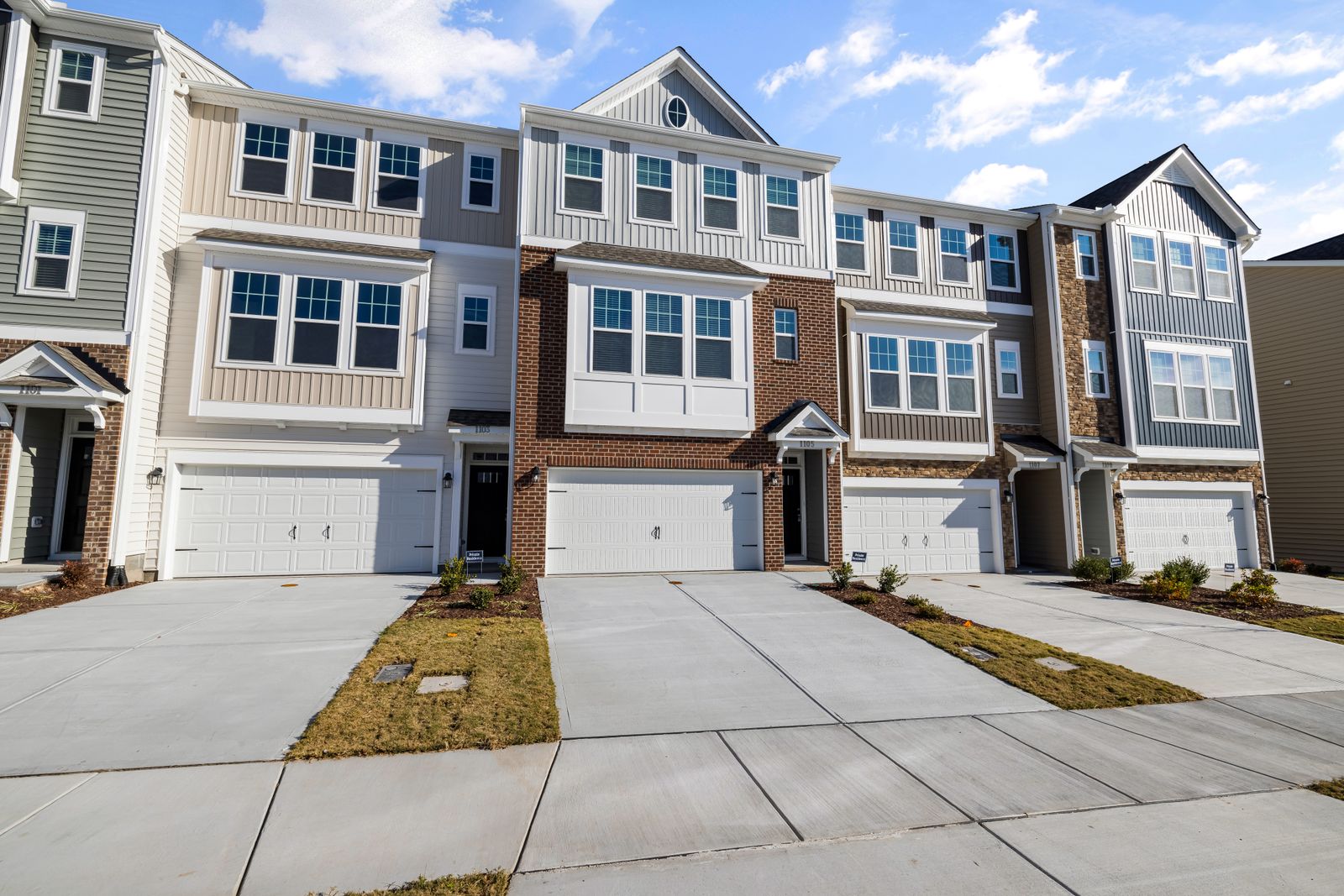
Triplexes and fourplexes
Three and four units push the same logic further: more rents, more cushion, and more resilience when one unit turns over. The trade-offs are real — more tenants to manage, more turnover, and insurance and maintenance that scale with doors — but on pure coverage math, a well-bought fourplex is often the strongest DSCR candidate in a market. These are still residential properties, which keeps them inside the DSCR world.
Condos and townhomes
Condos and townhomes can fit DSCR in many cases, with one line item demanding respect: the HOA dues. HOA is the "A" in PITIA, and a heavy monthly dues bill can sink a deal that looked fine on rent versus principal and interest alone. I have seen condos where the rent covered the loan payment comfortably and still failed the full test once dues were added. Run the complete number — always. Townhomes with modest dues and strong rents, on the other hand, pencil regularly, and their lower maintenance burden appeals to out-of-state owners.
Short-term rentals
Short-term rentals — vacation and nightly rentals — can fit DSCR, but I will be honest about the documentation: nightly income is seasonal and variable, so it gets scrutinized harder than a twelve-month lease. Expect the income to be documented carefully, through booking history and market data, and expect a conservative read of it. A short-term rental with a real track record in a real vacation market is a conversation worth having. A projected income spreadsheet for a property that has never rented is not a foundation to borrow on.
What does not fit
- Owner-occupied homes. DSCR is a business-purpose loan for investment property only. If you plan to live in it, this is the wrong tool — call me anyway and I will point you at the right one.
- Five-plus-unit commercial property. Apartment buildings of five or more units are commercial real estate, financed by commercial loans with different underwriting. A fourplex is the top of the DSCR range.
- Properties with no documentable rent. No lease and no comparable rentals means no rent figure to underwrite. The property has to carry itself on paper, not on optimism.
- Land and pure speculation plays. No rent, no DSCR. The loan is built on income, not appreciation hopes.
Not sure where yours lands?
Send me the address, the rent (or expected rent), and what you know about taxes, insurance, and HOA dues. I will run the property against its full PITIA and tell you plainly whether it fits — and if it does not, what would have to change. That call costs nothing and takes minutes, at (907) 244-9368.
See if your property carries itself
Tell me the property and the plan. I will run the property's numbers — rent against full housing cost — and tell you straight where the deal stands. No obligation.